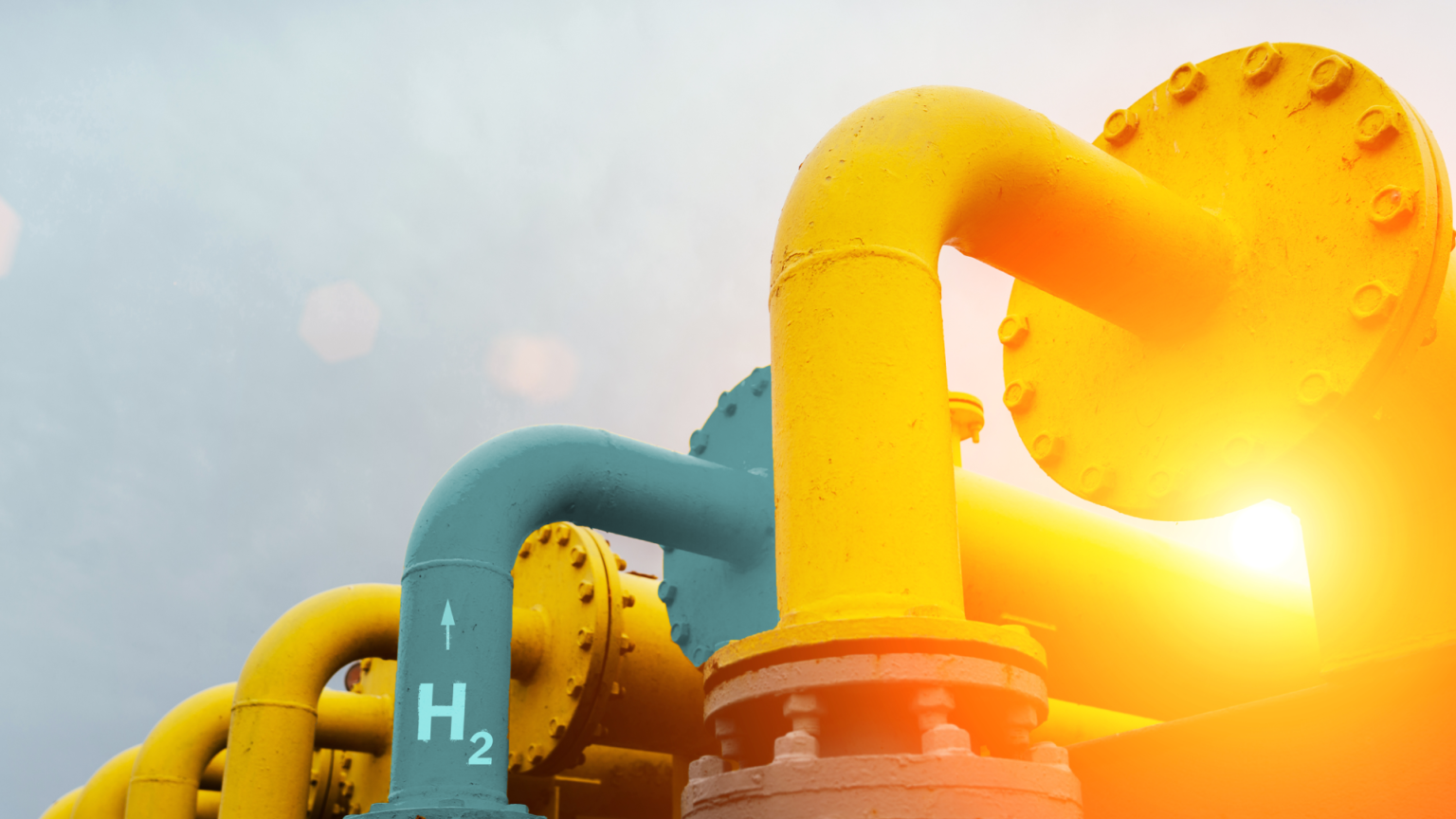
Calgary District Heating Inc. (CDHI) provides heat to buildings across downtown Calgary and the East Village using natural gas. This assessment looks at whether adding hydrogen to that system could help cut emissions.
CDHI ran a successful test in 2023, mixing a small amount of hydrogen into its natural gas supply. It worked. This new assessment digs deeper: how would CDHI actually get enough hydrogen, and how much difference would it really make?
Key Findings
- The 2023 pilot proved the concept, not the practice. CDHI successfully blended hydrogen into one boiler’s gas supply, but the test was short and only covered a narrow set of conditions. It shows the idea works, not that it’s ready for everyday use.
- Truck delivery is the only realistic near-term option. Building a pipeline or bringing hydrogen in by rail both face real challenges in a busy downtown setting. For now, delivering hydrogen by truck is what makes sense.
- A « 20% blend » sounds bigger than it is. Hydrogen doesn’t carry as much energy as natural gas in the same volume, so a 20% hydrogen mix only replaces a small slice, well under 10%, of the actual energy used. Emissions savings shrink accordingly.
- Meaningful impact requires meaningful supply. To make a real dent in emissions, CDHI would need a steady supply of around 278 tonnes of hydrogen every year.
- How the hydrogen is made matters. If it’s produced using energy from fossil fuels, the overall emissions benefit shrinks further once the full picture is considered.
- The cost of cutting emissions this way is high compared to other options CDHI could pursue.
- The bigger opportunity may not be emissions at all. Hydrogen blending could help CDHI become an early customer for hydrogen in Calgary, helping build the local supply chain that other projects can lean on later.